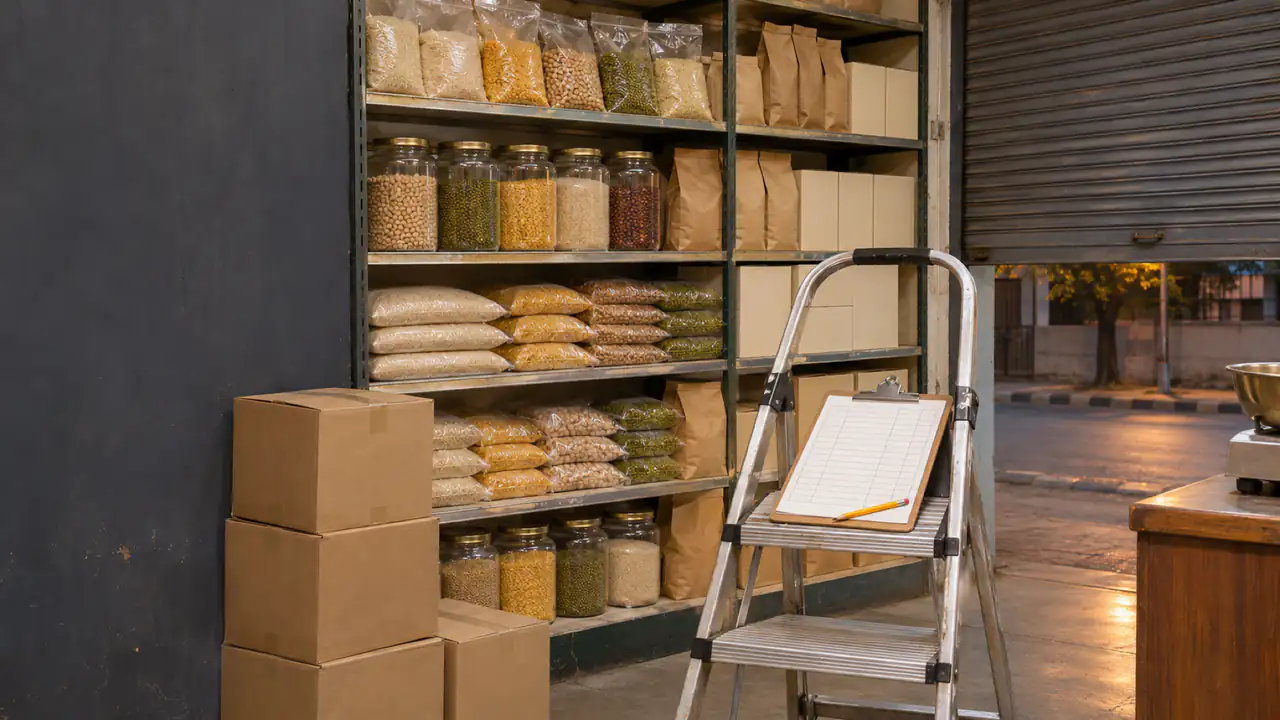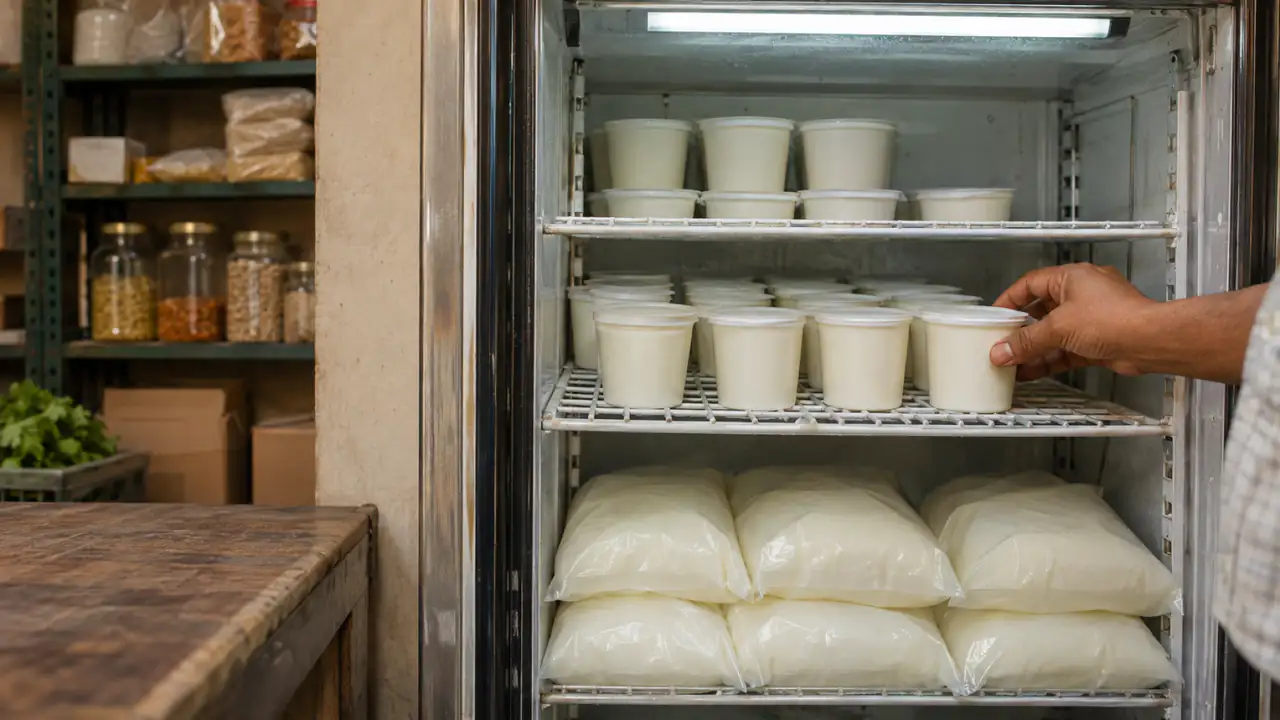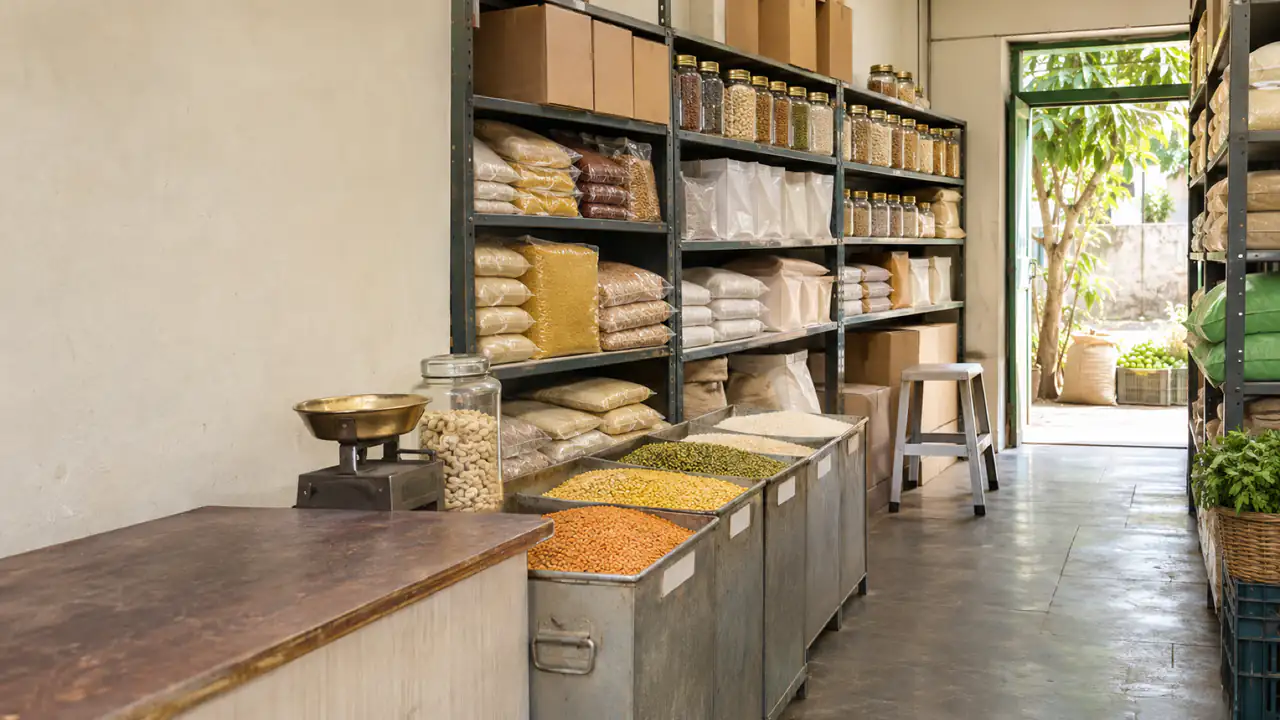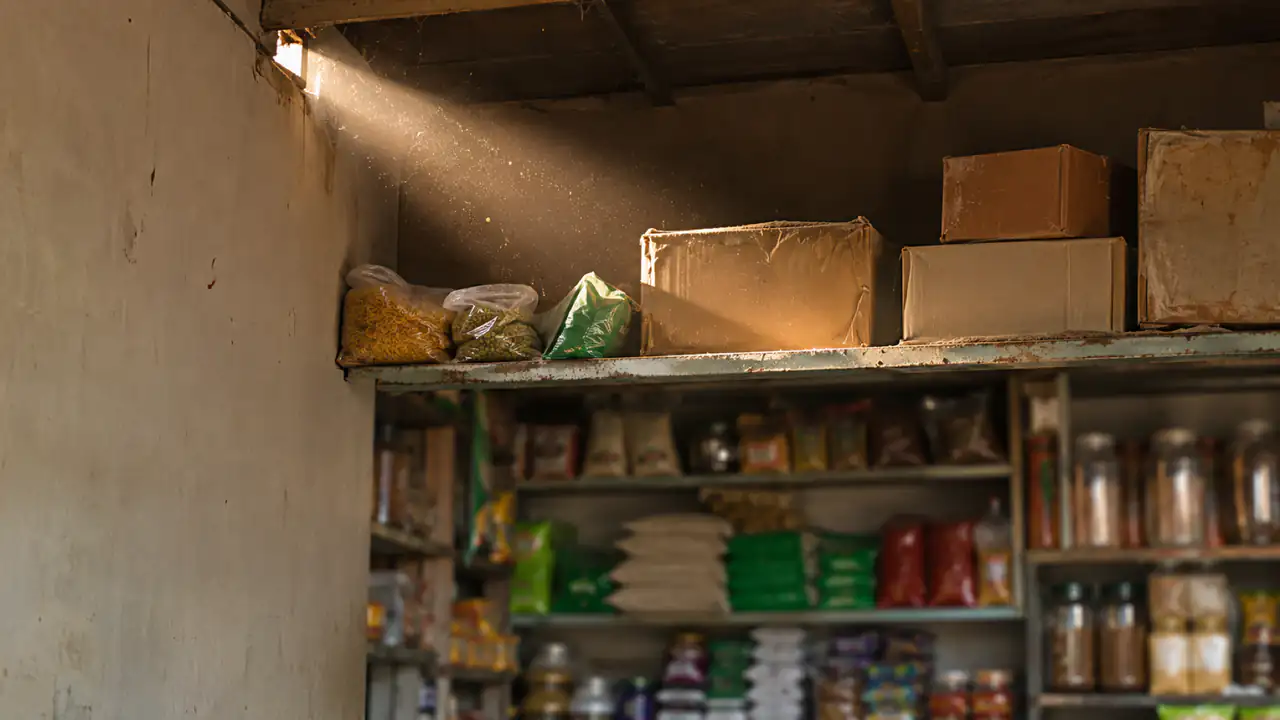
Every shop has a corner of it: the shampoo nobody asked for again, the biscuits a salesman talked you into, the second carton of something that sold well one festival season and never since. That's dead stock, goods that sit on the shelf and don't sell, and in a small shop it quietly eats more money than most owners think.
This post explains what counts as dead stock, how to find it, how to turn it back into cash, and how to stop buying it in the first place.
What dead stock is
Dead stock is stock that hasn't sold for a long time and isn't likely to sell soon at its normal price. How long is "a long time" depends on the item:
- Fresh and short-dated goods (bread, milk, eggs, some snacks): a couple of weeks without a sale is already a problem.
- Everyday packaged goods (soap, biscuits, noodles, spices): three months without a sale is a good line to draw.
- Slow lines by nature (utensils, stationery, festival items): six months or more.
Stock that sells, but slowly, is slow-moving stock. It isn't dead yet, but it's where dead stock comes from.
What causes dead stock
- Ordering too much, often to get a better price or a free carton.
- A salesman's push: a new product, a scheme, a target to meet.
- A product that didn't catch on, or a flavour your street doesn't buy.
- Seasons and festivals: stock bought for one peak that didn't sell through.
- The wrong size or price for your customers.
- Poor placement: items customers never see.
- Short-dated deliveries that couldn't be sold in time.
Why it costs more than it looks
A carton that didn't sell isn't just a carton. It's:
- Cash you can't use. Rs 3,000 of unsold shampoo is Rs 3,000 that can't buy the rice and oil that sell every day.
- Shelf space. The best spots in a small shop are few, and a dead item holds one.
- Expiry risk. Most groceries have a date. Every month an item sits brings it closer to being thrown away at a full loss.
- Hidden losses in your accounts. Unless you write it down, your books say the carton is still worth Rs 3,000, even if nobody would pay half that.
How to find dead stock
1. Do it on paper first. Walk the shop with a notebook. Dust on the packets, faded labels and old price stickers are honest signs. Write down anything you can't remember selling in the last three months.
2. Check the dates. Turn the packets over. Anything within a month or two of its expiry date needs action now, whatever its sales.
3. Check your records. Your stock register or billing app (in BSMM, the reports and each product's stock history) can tell you what the shelf can't: the date each item last sold, and how much money is tied up in it. A simple rule: if the stock on hand is more than three months of its sales, look closer.
4. Rank by money. Ten dead items worth Rs 200 each matter less than one worth Rs 5,000. Deal with the expensive ones first.
How to clear it
Start with the gentlest option and go further only if you need to:
- Move it. Put it at eye level or near the counter. Some items aren't dead, just invisible.
- Bundle it. Pair a slow item with a fast one: a soap with every 5 kg of rice, a packet of biscuits with the tea. The customer feels they got something; you get the shelf back.
- Discount it, clearly. A small handwritten "Rs 20 off" sign sells more than a hidden price cut.
- Ask the supplier. Some distributors take back or swap unsold or near-expiry stock, especially if you keep buying other lines from them. It's always worth asking.
- Use it or give it. As a last resort, items can be used in the shop or given away. At least you know the loss, and the shelf is free.
Whatever you do, write it down. An item sold at a discount, sent back or thrown away should leave your records with a reason, or your stock and profit figures will stay wrong.
How to stop buying dead stock
Clearing it is the expensive part. Not buying it is cheap:
- Order from what sold, not from what the salesman says. Check last month's sales before every order.
- Try new products in small quantities. One carton, not five, until the item proves itself.
- Watch expiry dates when you order. Short-dated stock at a big discount is only a bargain if you can sell it in time.
- Set reorder levels for fast movers so the money goes where the sales are. See reorder level and reorder point, with a shop example.
- Check slow items once a month. Ten minutes with your records beats a shelf of surprises at the year's end.
Finding dead stock in an app
In a paper register, finding dead stock means reading back through months of pages. In BSMM, the free stock and billing app for shops:
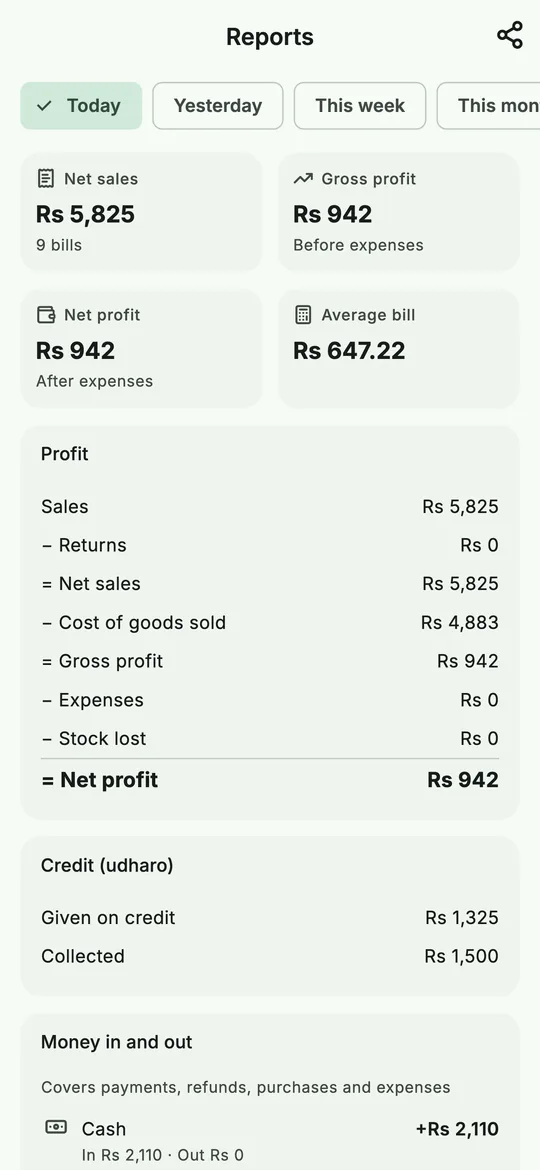 Reports for any period: best sellers, profit and stock value.
- Reports for any day, week or month show your best sellers and your stock value. An item that never appears among the sellers while its stock value stays the same is the one to look at.
- Each product's stock history shows every sale, purchase and adjustment with its date, so "when did this last sell?" is answered in the product's stock history.
- Expiry warnings flag items before their date, while you can still discount them or send them back.
- Adjust stock records what leaves the shop without a sale, as damaged, expired, given away or used in the shop, so the loss is counted and your profit stays honest.
Questions shopkeepers ask
Is dead stock a loss for accounts? Accounting rules value stock at the lower of what you paid and what it can now be sold for, so stock that won't sell at its price should be written down when you do your accounts. Ask your accountant how. In a shop's day-to-day records, the loss is easy to miss until you sell it cheap or throw it away, which is exactly why it's worth finding early.
What's the difference between dead stock and obsolete stock? Obsolete stock can't be sold at all (expired, replaced by a new pack, out of fashion). Dead stock could still sell; it just hasn't. Act on dead stock before it becomes obsolete.
How do I measure dead stock? Dead stock % = value of dead stock ÷ total stock value × 100. If Rs 30,000 of a Rs 4,00,000 stock hasn't sold in three months, that's 7.5%. There's no universal "normal" figure; track yours from month to month and aim for it to fall.
Related: FIFO vs FEFO for short-dated goods, ABC analysis to see which items earn their shelf, stock taking to find what's really there, and how to calculate your shop's real profit.